Deck Repair & Restoration in Manotick by Craft Deck and Fence Ottawa

Deck Repair & Restorationin Manotick

(343) 503-0063

Structural repairs, board swaps, railing fixes, sanding, sealing and staining — your deck restored, not replaced.

Vetted contractors
5-star rated
48-hour quotes

Homeowners across Manotick use Craft Deck and Fence Ottawa to get matched with vetted independent deck repair & restoration contractors who know Ottawa South's freeze-thaw cycles, heavy spring rains and dry August stretches. Each deck repair & restoration referral in Manotick is routed to a local contractor familiar with the soil, exposure and property style of the street.

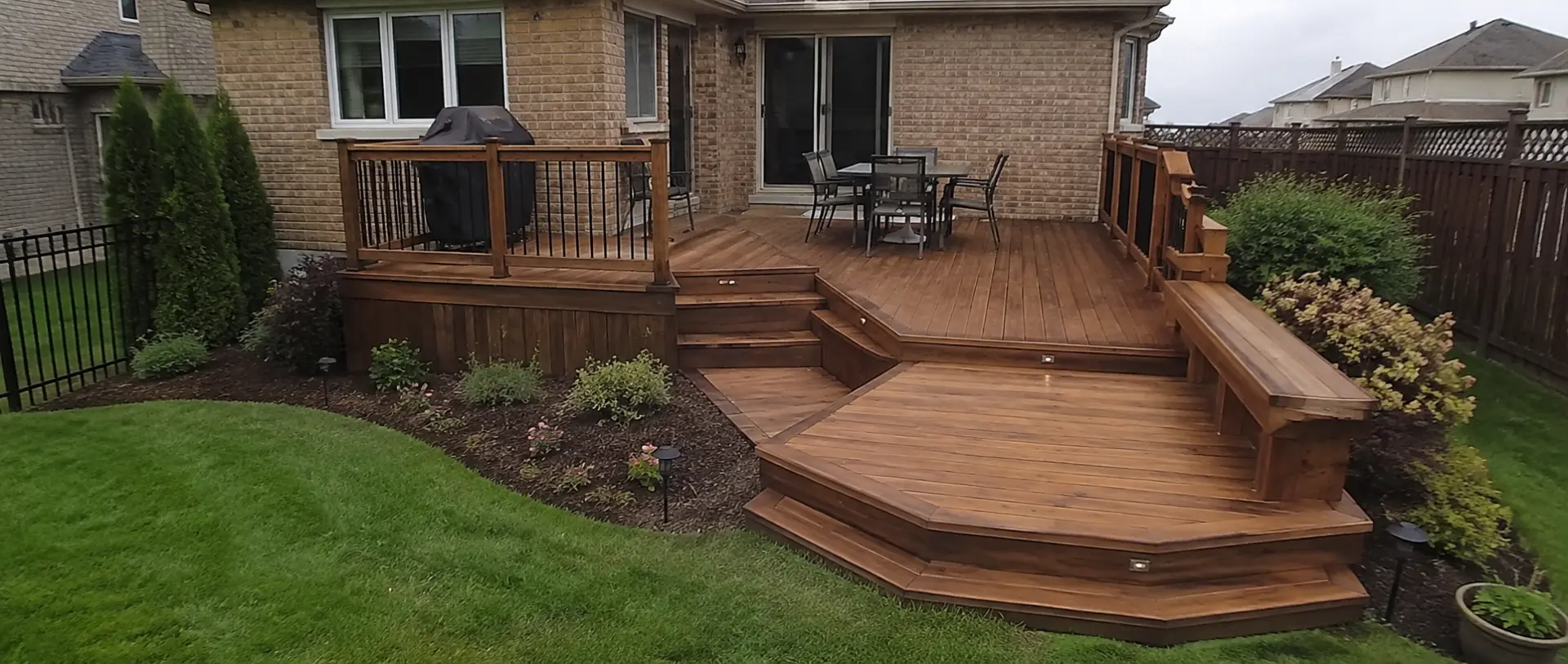
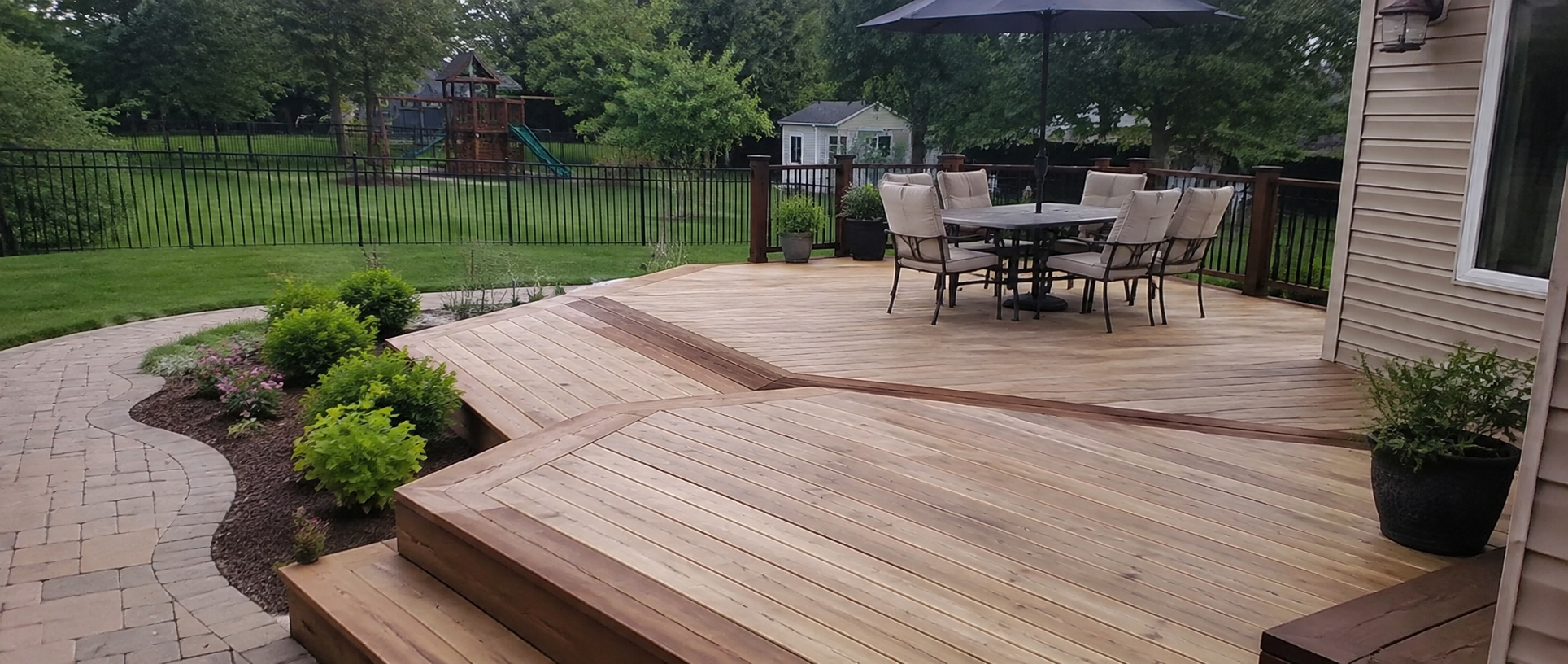
Structural repairs, board swaps, railing fixes, sanding, sealing and staining — your deck restored, not replaced. A repair can buy you another 10–15 years for a fraction of a rebuild — when the structure is sound. Contractors inspect the framing first, swap bad boards and fasteners, fix any structural concerns, then sand, clean and re-stain so the deck looks intentional again.

Best suited to: Owners of an older deck that's solid in places but needs targeted work to be safe, sharp and last another decade.

What's included

Joist, beam and ledger repair

Board, fastener and railing replacement

Sanding, power washing and prep

Re-staining or sealing with premium product

Safety inspection and code-flag report

What to expect

A clear written quote with material options, scope and timeline.

Permits, locates and bylaw checks handled by the contractor where required.

Owner-led crew on site every day until the job is finished.

Daily site cleanup — your yard isn't a construction zone overnight.

Final walkthrough with you before the crew call the job complete.

How the job runs

01AssessFull structural inspection with photo report.

02RepairBad boards, fasteners and framing handled first.

03RefinishSanded, cleaned and re-sealed or stained.

04Sign offWalkthrough plus aftercare notes.

Why it holds up

Structure first, finish secondNo point staining a deck that's about to fail. Contractors check the bones before the crew touch the surface.

Honest scopeIf you'd be better off replacing, they'll tell you — no upsell for the sake of a bigger invoice.

Premium finishes onlyContractors don't use bargain stains that'll peel in two seasons.

Safety report includedWritten report flagging anything that won't meet today's code.

Serving Manotick & nearbyBarrhaven, Kanata, Stittsville, Orléans, Nepean, Riverside South & more.

Material guide

Choosing the right material for deck repair & restoration in Manotick

Material drives cost, looks, maintenance, lifespan and resale value. Some options cost less on install day but ask for work every couple of seasons; others cost more up front and then mostly leave you alone. Here's a plain breakdown of each option, what it's good at, where it falls short, and how to decide.

Deck materials

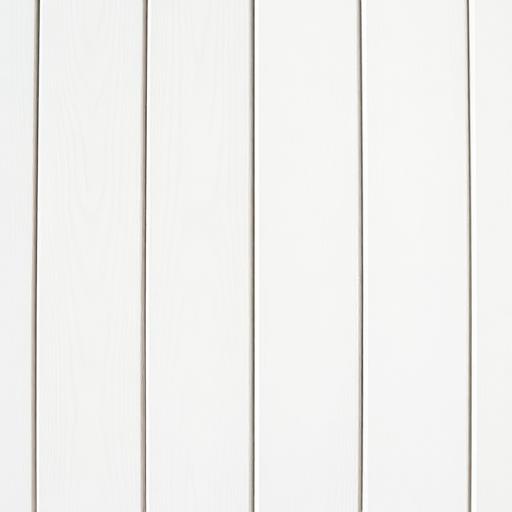
Pressure-Treated Wood material sample

Pressure-Treated Wood

Softwood lumber treated with preservatives to resist insects, fungal decay and moisture damage. The most common decking — and the framing under most other decks too.

Cost
Low
Upkeep
High
Durability
Good

Pros

  • Lowest upfront cost — makes a large deck affordable
  • Widely available and every contractor knows how to build with it
  • Strong structural material for posts, beams, joists and stairs
  • Real wood look and texture; can be stained or painted once dry

Cons

  • Needs regular cleaning, staining and sealing
  • Can crack, cup, twist or warp as moisture levels change
  • Colour fades and weathers without upkeep
  • Older boards can splinter underfoot

Best for — Homeowners who want the most deck for the budget and don't mind periodic maintenance.
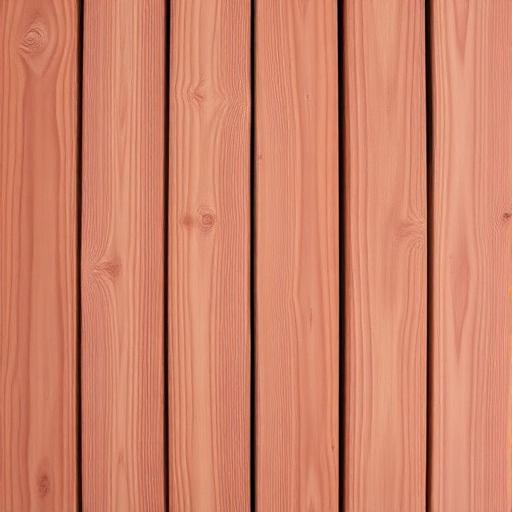
Cedar material sample

Cedar

A warm, naturally attractive softwood with distinctive grain and natural compounds that resist insects and decay.

Cost
Medium–High
Upkeep
Medium–High
Durability
Good

Pros

  • Beautiful natural colour and grain — a premium wood look
  • Naturally resistant to insects and decay
  • Lightweight and easy to work with
  • Takes clear or semi-transparent stain well

Cons

  • Costs more than pressure-treated lumber
  • Still needs cleaning and refinishing to hold its colour
  • Weathers to silver-grey if left unfinished
  • Soft — furniture, pets and dropped tools can dent it

Best for — Homeowners who want genuine natural beauty and are comfortable maintaining real wood.

Composite material sample

Composite

Engineered boards made from wood fibre and plastic, usually with a protective outer cap that resists moisture, staining and fading.

Cost
High
Upkeep
Low
Durability
Very Good

Pros

  • No sanding, staining or sealing — cleaning is the main upkeep
  • Doesn't splinter like natural lumber, great for bare feet
  • Consistent factory colour and grain, no bad boards
  • Huge range of colours, widths and textures for borders, picture framing and matching railings
  • Designed for many years of outdoor exposure when installed properly

Cons

  • Considerably higher upfront cost than pressure-treated
  • Dark colours can get hot in direct summer sun
  • Scratches can't be sanded out — a damaged board is replaced
  • Spacing, ventilation, framing and fasteners must follow the manufacturer, or the warranty can be affected

Best for — Homeowners who want low maintenance, a consistent look and long-term durability, and can spend more up front.

PVC material sample

PVC

Fully synthetic decking with no wood fibre, built for maximum moisture resistance and the lowest maintenance of any decking.

Cost
High
Upkeep
Very Low
Durability
Excellent

Pros

  • Excellent moisture resistance — no wood fibre to absorb water
  • No staining or sealing, ever
  • Will not rot
  • Lighter than most composite boards
  • Very long service life when installed correctly

Cons

  • One of the most expensive decking options
  • Can look and feel more synthetic than real wood
  • Darker colours can get hot in direct sun
  • Expands and contracts with temperature — correct spacing is critical

Best for — Wet, shaded or poolside decks where moisture resistance and near-zero maintenance matter most.

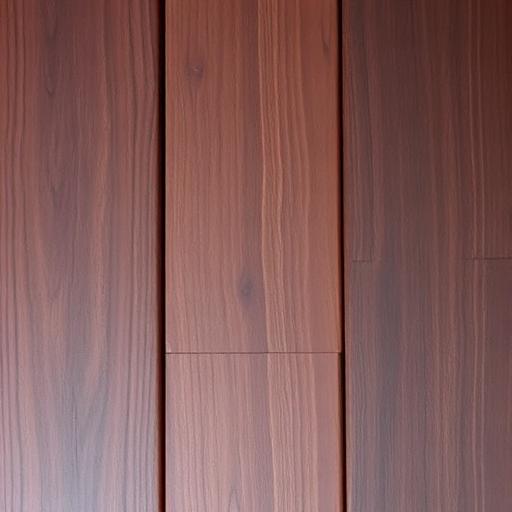
Tropical Hardwood material sample

Tropical Hardwood

Dense tropical species such as ipe — rich colour, exceptional hardness and a very long service life.

Cost
Very High
Upkeep
Medium
Durability
Excellent

Pros

  • Premium appearance with deep colour and distinctive grain
  • Extremely dense and resistant to everyday wear
  • Very long service life with the right design and care
  • Real wood, far harder than common softwoods

Cons

  • Among the most expensive decking materials
  • Hard to cut and drill — special blades, fasteners and techniques required
  • Needs oiling to keep its colour, or it weathers grey
  • Sourcing matters — look for credible responsible-forestry certification

Best for — High-end projects where natural beauty, density and longevity outweigh budget.

Deck material comparison
MaterialInitial costMaintenancePrivacyDurabilityBest for
Pressure-Treated WoodLowHighGoodHomeowners who want the most deck for the budget and don't mind periodic maintenance.
CedarMedium–HighMedium–HighGoodHomeowners who want genuine natural beauty and are comfortable maintaining real wood.
CompositeHighLowVery GoodHomeowners who want low maintenance, a consistent look and long-term durability, and can spend more up front.
PVCHighVery LowExcellentWet, shaded or poolside decks where moisture resistance and near-zero maintenance matter most.
Tropical HardwoodVery HighMediumExcellentHigh-end projects where natural beauty, density and longevity outweigh budget.

How to figure out which one is right for you

01

Start with budget — over the whole life, not just day one

Compare material + installation + maintenance + repairs + expected lifespan. Pressure-treated is cheapest on install day; composite avoids years of staining. The cheapest board isn't always the cheapest deck.

02

Be honest about maintenance

Real wood looks incredible new, but keeping it that way means cleaning, refinishing, checking fasteners and swapping boards. Composite, PVC, vinyl and aluminum reduce that work — low maintenance still isn't zero maintenance.

03

Decide how much privacy you need

Wood, vinyl and composite panels give full privacy. Aluminum and chain-link keep sightlines open. Choose the boundary before you choose the material.

04

Respect the Ottawa climate

Rain, snow and freeze-thaw cycles hit every outdoor structure here. Decks need drainage and ventilation so water never sits against framing. Fences need posts set below frost line — wind loads on a tall privacy fence are significant.

05

The structure matters more than the surface

A premium panel on weak posts still fails, and expensive deck boards over poor framing never feel right. Spend on footings, framing and fasteners first.

06

Match the material to how long you'll stay

Selling in a few years? Upfront cost and curb appeal matter most. Staying for decades? Lower maintenance and longer lifespan usually win.

Still torn between materials?

There's no single best material — the right pick balances budget, appearance, upkeep, privacy and how long you plan to stay. Send the project details and a contractor will price two or three options side by side.

Deck Repair & Restoration FAQ

Common questions about deck repair & restoration in the Ottawa area.

Straight answers before you request a quote. Anything else — send a message and a vetted local contractor will follow up.

Browse all FAQs →

Backyard deck at golden hour in the Ottawa area
Free · No obligation

Ready for deck repair & restoration?

Share the details about the project — a vetted local contractor will line up a clear plan and pricing within 48 hours.

Questions about deck repair & restoration? Reach out directly.

Mon–Fri 8–6 · Sat/Sun by appt.
Mon
8–6
Tue
8–6
Wed
8–6
Thu
8–6
Fri
8–6
Sat
Appt.
Sun
Appt.