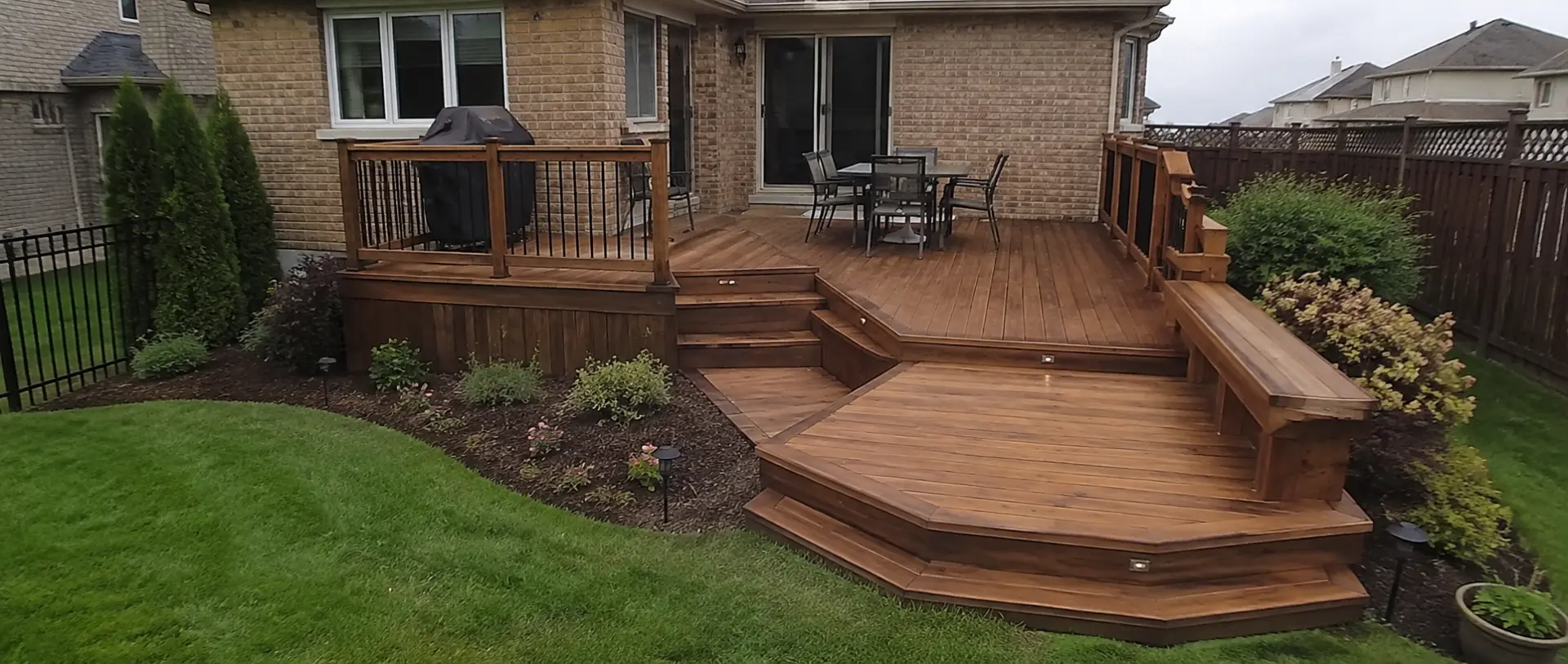
Deck Railing Installation & Replacement in Barrhaven by Craft Deck and Fence Ottawa

Deck Railing Installation & Replacementin Barrhaven

(343) 503-0063

New or replacement railings — wood, aluminum, glass or cable — installed to current code height and spacing.

Vetted contractors
5-star rated
48-hour quotes

Homeowners across Barrhaven use Craft Deck and Fence Ottawa to get matched with vetted independent deck railing installation & replacement contractors who know Ottawa South's freeze-thaw cycles, heavy spring rains and dry August stretches. Each deck railing installation & replacement referral in Barrhaven is routed to a local contractor familiar with the soil, exposure and property style of the street.

New or replacement railings — wood, aluminum, glass or cable — installed to current code height and spacing. A railing replacement changes how a deck looks more than new decking does. Contractors walk you through wood, aluminum, glass and cable — cost, sightlines, upkeep — then handle the part nobody sees: anchoring the new posts properly into the framing at code-correct height and spacing.

Best suited to: Homeowners with a sound deck and a dated, damaged or non-code railing who want a modern, open look.

What's included

Removal and disposal of the existing railing

Post attachments corrected and reinforced at the framing

Cedar, pressure-treated, composite, aluminum, glass or cable systems

Code-correct height and baluster spacing

Matching stair railings, post caps and optional post lighting

What to expect

A clear written quote with material options, scope and timeline.

Permits, locates and bylaw checks handled by the contractor where required.

Owner-led crew on site every day until the job is finished.

Daily site cleanup — your yard isn't a construction zone overnight.

Final walkthrough with you before the crew call the job complete.

How the job runs

01SelectSamples on site — wood, aluminum, glass or cable — with pricing for each.

02RemoveOld railing taken off and hauled away; framing checked underneath.

03InstallPosts anchored, sections set level, spacing checked to code.

04FinishCaps, lighting and final walkthrough with you.

Why it holds up

Every system offeredCedar, composite, aluminum, glass and cable — priced side by side, no house brand push.

Framing corrected underneathOld attachment mistakes fixed before the new railing goes on.

Code height and spacingGuard height and 4-inch sphere rule verified section by section.

Stairs includedStair railings matched to the deck run, not left as an afterthought.

Serving Barrhaven & nearbyBarrhaven, Kanata, Stittsville, Orléans, Nepean, Riverside South & more.

Railing guide

Deck railing looks & styles for Barrhaven homes

Railings do two jobs at once: they keep people safe and they set the entire character of the deck. Below is a plain-language look at the eight styles most often installed on Ottawa-area decks, then the materials behind them — because material is what really decides maintenance, lifespan and price.

Traditional Picket Railing on an Ottawa-area deck1

Traditional Picket Railing

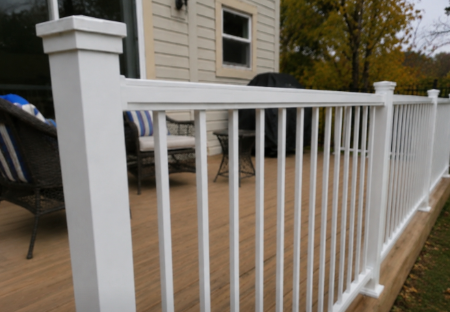
The classic deck-railing look: a top and bottom rail with vertical balusters between the posts. Built from wood, aluminum, composite, vinyl, steel — or a combination.

Pros

  • Familiar appearance that suits almost any home
  • Usually the most economical option
  • Easy to customize in colour, spacing and profile
  • Straightforward to design around guard-height and opening requirements

Trade-offs

  • Less open sightlines than glass or cable
  • Basic versions can look plain next to modern systems

Best for Most residential decks, especially traditional and suburban homes.
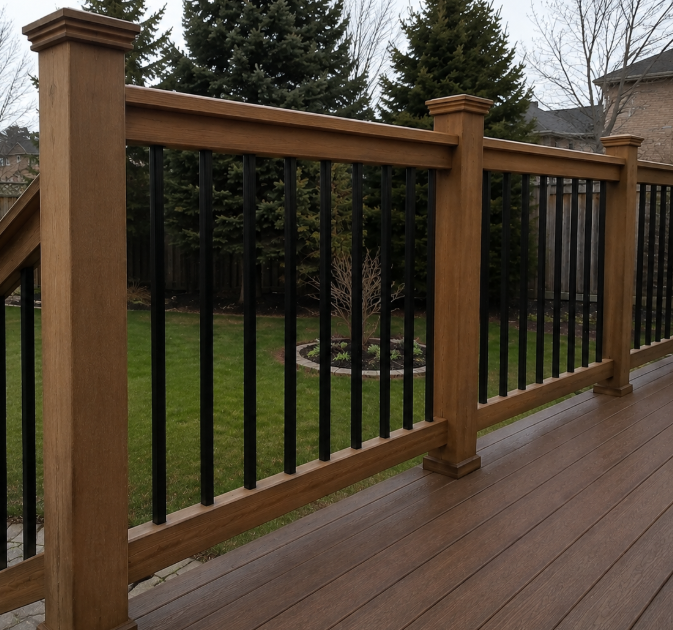
Modern / Minimalist Railing on an Ottawa-area deck2

Modern / Minimalist Railing

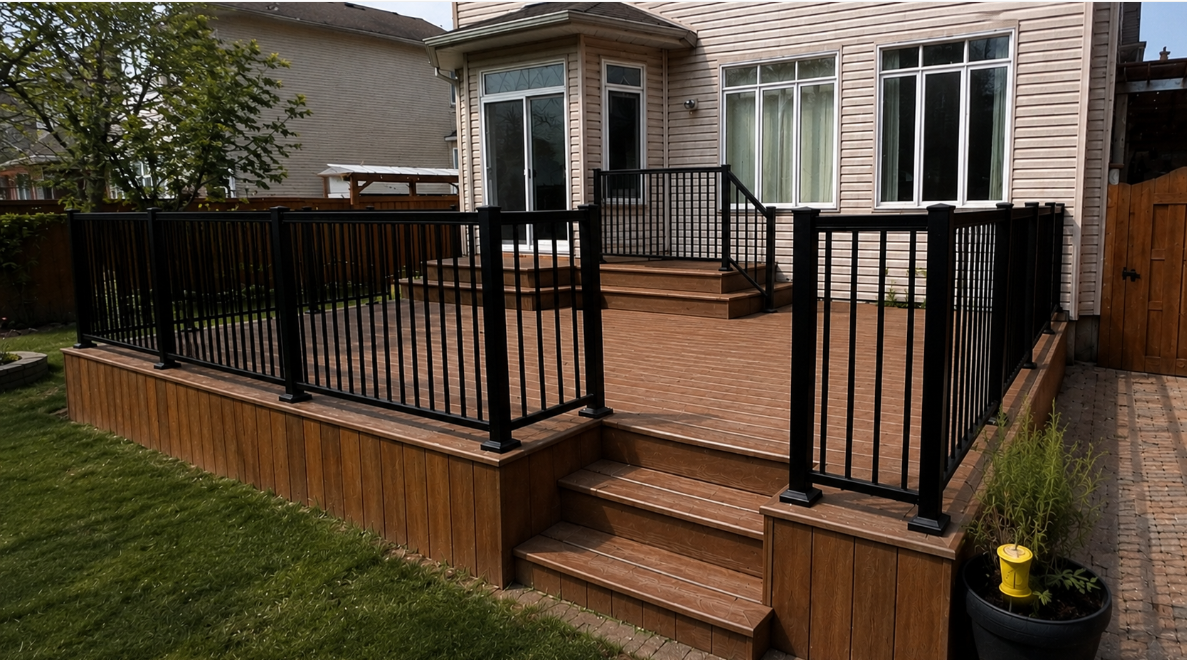
Thin profiles, simple lines, dark colours and almost no ornamentation. Black powder-coated aluminum is the most recognizable example.

Pros

  • Clean look that doesn't visually dominate the deck
  • Pairs extremely well with contemporary homes
  • Can make an older deck look substantially newer

Trade-offs

  • Very contemporary profiles may clash with traditional architecture
  • Premium systems get expensive quickly

Best for Contemporary homes, renovations and modernizing an existing deck.

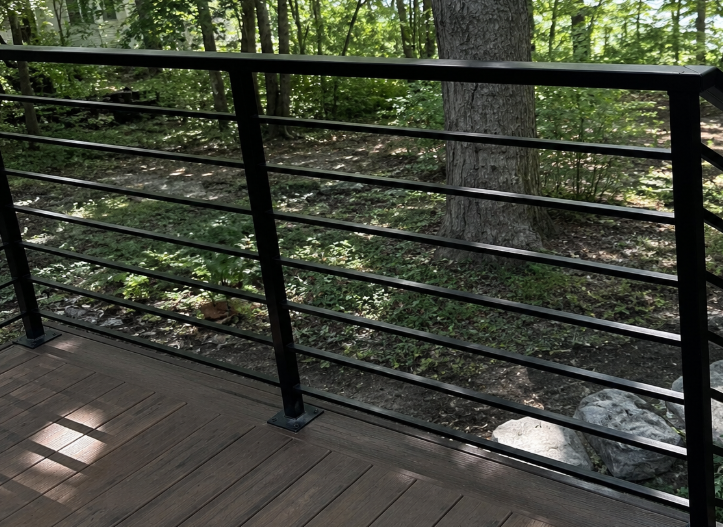
Horizontal Railing on an Ottawa-area deck3

Horizontal Railing

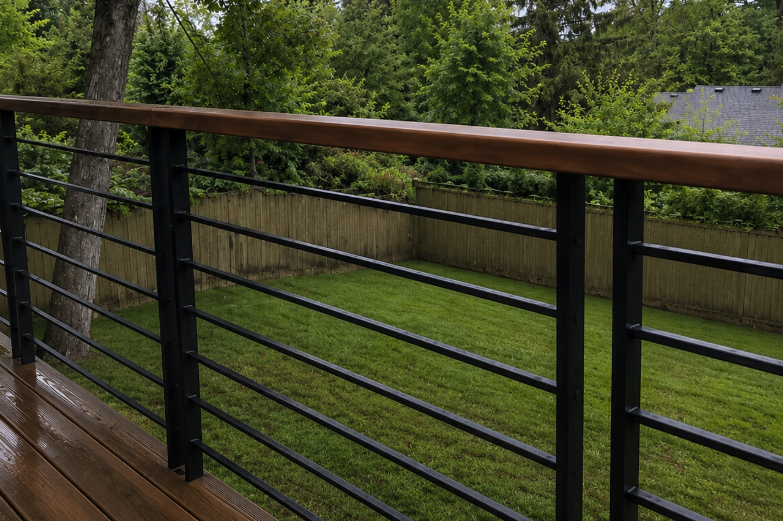
Horizontal members — wood boards, metal bars, cable or another approved system — run between the posts instead of vertical pickets.

Pros

  • Distinctive contemporary appearance
  • Makes a deck read wider and more open
  • Plenty of room for customization

Trade-offs

  • Local requirements matter a lot here — climbability, openings and loads can affect whether a given horizontal system is acceptable
  • Longer spans may need extra posts or tensioning

Best for Modern architecture where an approved horizontal system suits the deck and location.

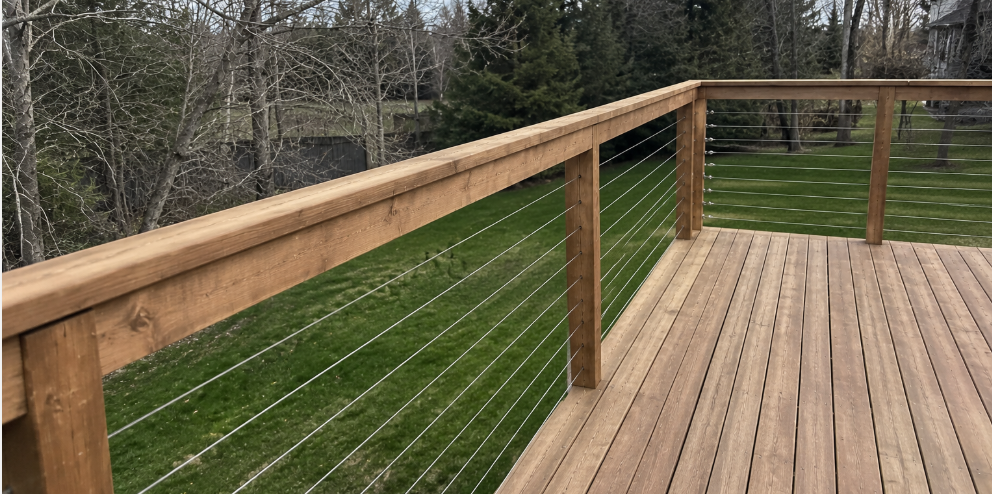
Cable Railing on an Ottawa-area deck4

Cable Railing

Thin stainless-steel cables stretched between posts, usually horizontally, with wood or metal frames.

Pros

  • Excellent sightlines and a visually lightweight look
  • Modern appearance with durable components
  • Looks especially good overlooking water, trees or scenery

Trade-offs

  • Costs more than basic wood or aluminum pickets
  • Needs proper tensioning and occasional adjustment
  • Where and how it can be installed depends on the system and local requirements

Best for Premium decks, waterfront properties, cottages and decks with a view.

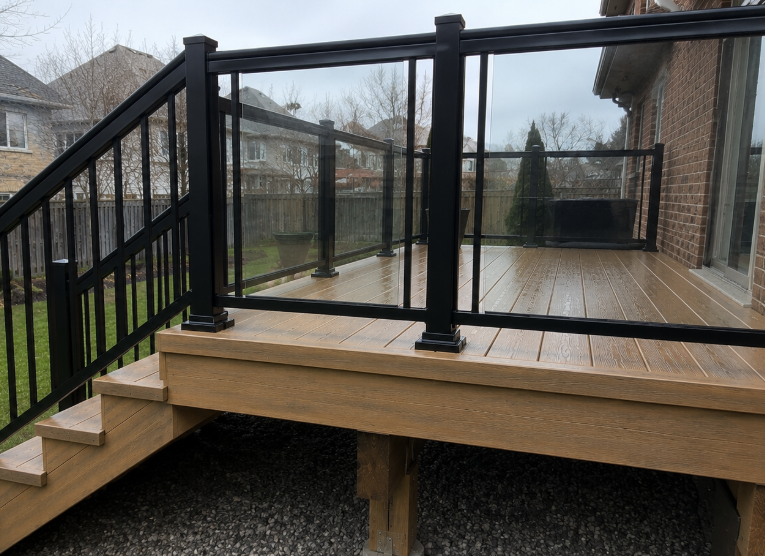
Glass Railing on an Ottawa-area deck5

Glass Railing

Large tempered or laminated safety-glass panels, framed with aluminum posts or held with more minimal mounting hardware.

Pros

  • Best option for preserving a view
  • Premium appearance that makes a deck feel open
  • Blocks wind far better than open picket systems

Trade-offs

  • Expensive compared with picket systems
  • Fingerprints and water spots show; needs regular cleaning
  • Panels are heavy and installation is more demanding

Best for Waterfront properties, pool decks, balconies and luxury builds.

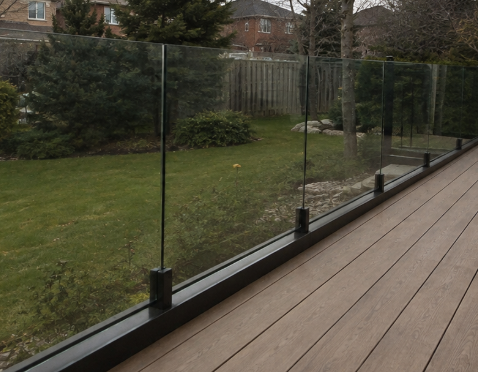
Frameless / Minimal Glass on an Ottawa-area deck6

Frameless / Minimal Glass

Glass railing taken further — visible framing is reduced to spigots or a slim channel so the glass itself becomes the design.

Pros

  • Exceptionally clean, high-end appearance
  • The most unobstructed sightlines available

Trade-offs

  • Among the most expensive railing options
  • Requires specialized hardware and careful installation
  • Glass still needs frequent cleaning

Best for High-end contemporary projects where appearance and sightlines come first.

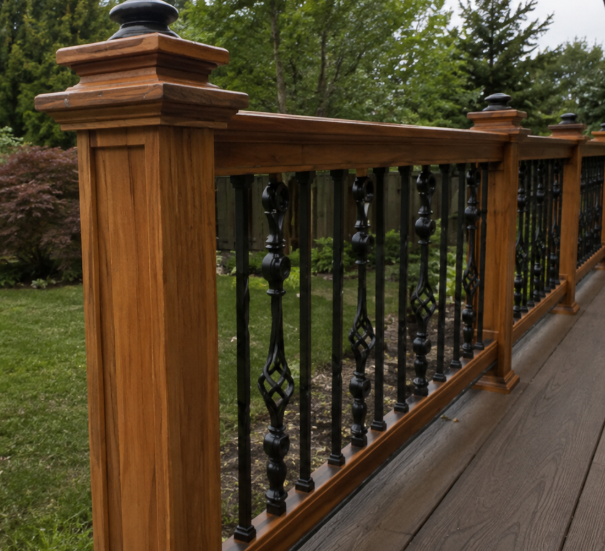
Craftsman / Decorative Railing on an Ottawa-area deck7

Craftsman / Decorative Railing

More visual detail — larger posts, decorative balusters, post caps, trim, and wood-and-metal combinations.

Pros

  • Lots of character; can become a major design feature
  • Complements the architecture of a character home
  • Highly customizable

Trade-offs

  • More labour-intensive, so usually costs more
  • Elaborate designs mean more surfaces to maintain

Best for Craftsman, traditional, cottage and character homes.

Mixed-Material Railing on an Ottawa-area deck8

Mixed-Material Railing

Two or more materials combined — wood posts with aluminum balusters, composite rails with aluminum pickets, aluminum frames with glass panels, or wood with cable.

Pros

  • Huge design flexibility
  • Balances price and appearance — premium look without premium everywhere
  • Gives a custom result on a normal budget

Trade-offs

  • Installation is more involved
  • Different materials weather at different rates
  • Poorly chosen combinations can look mismatched

Best for Custom projects and homeowners who want something distinctive.

Deck railing materials

For most homeowners the material matters more than the style — it decides how much maintenance the railing asks for, how long it lasts, what it costs and how it ages.

Pressure-Treated Wood

$Upkeep: High

The traditional budget-friendly railing. Treated lumber for posts, rails and balusters, matching a pressure-treated deck naturally.

  • Inexpensive and widely available
  • Easy to work with and easy to repair
  • Can be painted or stained any colour
  • Needs regular maintenance
  • Can crack, check, warp or splinter
  • Appearance changes as it ages

Why people pick it Affordable and fully customizable.

Cedar

$$Upkeep: Medium–High

Real wood warmth with a much nicer natural grain and colour than pressure-treated lumber.

  • Beautiful natural colour and grain
  • Naturally resistant to decay
  • Lightweight and easy to customize
  • More expensive than pressure-treated
  • Needs staining or sealing to hold its colour
  • Weathers to grey if left alone

Why people pick it Premium natural wood appearance.

Aluminum

$$–$$$Upkeep: Very Low

Powder-coated aluminum — especially black — is the most versatile modern railing and the most popular replacement for tired wood.

  • Very low maintenance; no rot, no staining
  • Corrosion-resistant with a long lifespan
  • Clean modern look in many configurations
  • Higher upfront cost than basic wood
  • Damaged sections aren't as easily repaired as wood
  • Some homeowners prefer the warmth of natural materials

Why people pick it Low maintenance, long life, modern look — the best all-around choice.

Steel

$$$Upkeep: Low–Medium

A heavier, exceptionally solid metal railing that allows very thin profiles.

  • Very strong and rigid
  • Excellent for slim-profile designs
  • Premium feel in modern or traditional styles
  • Heavy and usually more expensive
  • Corrosion protection matters — especially with snow, moisture and road salt

Why people pick it Maximum strength with a premium metal look.

Wrought Iron

$$$–$$$$Upkeep: Medium–High

True wrought iron is rare in modern residential decks — most "wrought iron" railings are fabricated steel or aluminum styled to look the part.

  • Ornamental, highly distinctive appearance
  • Suits traditional architecture
  • Can incorporate elaborate custom designs
  • Expensive and heavy
  • Genuine iron needs corrosion protection and upkeep
  • Not the first pick for a low-maintenance deck

Why people pick it Traditional decorative character.

Composite Railing

$$$Upkeep: Low

Manufactured railing systems that give a finished, substantial look without wood's maintenance. Frequently paired with composite decking.

  • Low maintenance; no staining and no splintering
  • Consistent appearance in several colours and styles
  • Matches composite decking beautifully
  • Higher upfront price than pressure-treated
  • Fewer opportunities for custom modification
  • Can look bulkier than aluminum; quality varies by manufacturer

Why people pick it The substance of wood without most of the wood upkeep.

Vinyl / PVC

$$–$$$Upkeep: Low

Usually seen as white railing with larger posts and vertical balusters — simple and easy to live with.

  • Doesn't rot; never needs paint or stain
  • Easy to clean
  • Consistent, finished appearance
  • Can read as "plastic"
  • Fewer colour and style choices; typically bulkier than aluminum
  • Quality varies significantly between products

Why people pick it Simple, clean and low-maintenance.

Glass

$$$$+Upkeep: Cleaning required

Both a material and a style — glass panels combined with aluminum, stainless steel or minimal structural hardware.

  • Exceptional visibility and a premium appearance
  • Real wind protection on exposed decks
  • Outstanding around scenic or waterfront properties
  • High cost
  • Fingerprints and water spots need frequent cleaning
  • Heavy panels; more complicated installation

Why people pick it Maximum view with a high-end finish.

Stainless Steel Cable

$$$–$$$$Upkeep: Low–Medium

Stainless cables run between wood, aluminum or steel posts for a near-invisible guard.

  • Minimal obstruction of views
  • Modern look with a very strong material
  • Excellent for contemporary architecture
  • More expensive than conventional pickets
  • Installation requires careful tensioning; cables may need adjusting
  • Suitability depends on the system and local requirements

Why people pick it Modern railing with excellent sightlines.

The short list — how the popular options compare

OptionMaintenanceCostMain advantage
Pressure-Treated WoodHigh$Most affordable
CedarMedium–High$$Natural appearance
AluminumVery Low$$–$$$Best all-around
CompositeLow$$$Matches composite decks
CableLow–Medium$$$–$$$$Modern with an open view
GlassCleaning required$$$$+Best sightlines
Custom / Mixed MaterialVaries$$–$$$$Fully custom appearance

A simple way to choose

  • Woodthe economical option — lowest price, most upkeep.
  • Aluminumthe low-maintenance option — the usual upgrade when an aging wood railing means sanding, staining, cracking and rot.
  • Glass or cablethe premium, view-oriented options — best sightlines, highest cost.
  • Mixed materialthe custom middle ground — put the money where it shows.

A note on requirements: whether a particular railing configuration is permitted depends on deck height, guard height, opening sizes, loads, climbability, stairs, the specific product system and the building regulations that apply to your property. Railings are installed to the requirements applicable to your site — the contractor confirms the details before the design is finalized.

Not sure which railing fits?

Share a photo of the current deck and the look you're after. A vetted local contractor will match a railing style and material to your home, your budget and deck railing installation & replacement.

Material guide

Choosing the right material for deck railing installation & replacement in Barrhaven

Material drives cost, looks, maintenance, lifespan and resale value. Some options cost less on install day but ask for work every couple of seasons; others cost more up front and then mostly leave you alone. Here's a plain breakdown of each option, what it's good at, where it falls short, and how to decide.

Deck materials

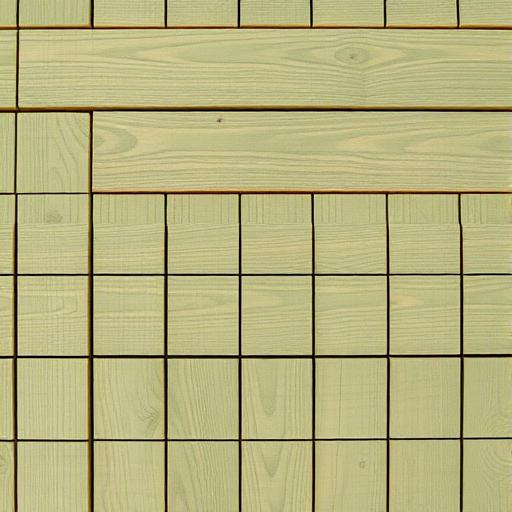
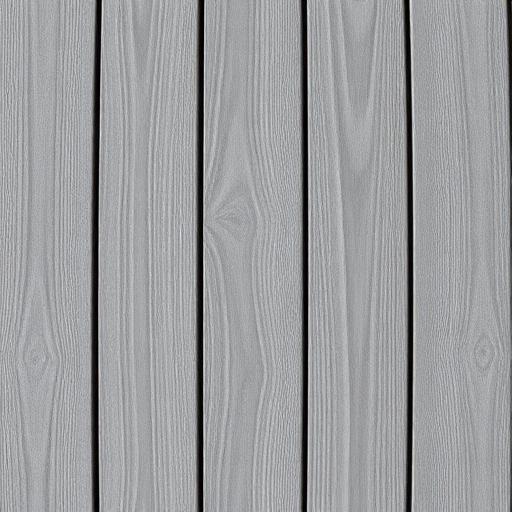
Pressure-Treated Wood material sample

Pressure-Treated Wood

Softwood lumber treated with preservatives to resist insects, fungal decay and moisture damage. The most common decking — and the framing under most other decks too.

Cost
Low
Upkeep
High
Durability
Good

Pros

  • Lowest upfront cost — makes a large deck affordable
  • Widely available and every contractor knows how to build with it
  • Strong structural material for posts, beams, joists and stairs
  • Real wood look and texture; can be stained or painted once dry

Cons

  • Needs regular cleaning, staining and sealing
  • Can crack, cup, twist or warp as moisture levels change
  • Colour fades and weathers without upkeep
  • Older boards can splinter underfoot

Best for — Homeowners who want the most deck for the budget and don't mind periodic maintenance.

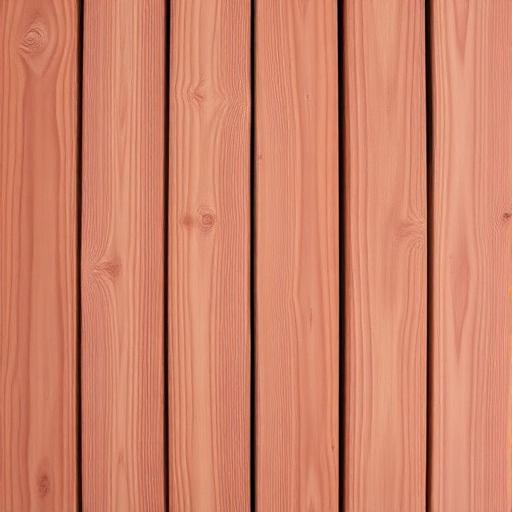
Cedar material sample

Cedar

A warm, naturally attractive softwood with distinctive grain and natural compounds that resist insects and decay.

Cost
Medium–High
Upkeep
Medium–High
Durability
Good

Pros

  • Beautiful natural colour and grain — a premium wood look
  • Naturally resistant to insects and decay
  • Lightweight and easy to work with
  • Takes clear or semi-transparent stain well

Cons

  • Costs more than pressure-treated lumber
  • Still needs cleaning and refinishing to hold its colour
  • Weathers to silver-grey if left unfinished
  • Soft — furniture, pets and dropped tools can dent it

Best for — Homeowners who want genuine natural beauty and are comfortable maintaining real wood.

Composite material sample

Composite

Engineered boards made from wood fibre and plastic, usually with a protective outer cap that resists moisture, staining and fading.

Cost
High
Upkeep
Low
Durability
Very Good

Pros

  • No sanding, staining or sealing — cleaning is the main upkeep
  • Doesn't splinter like natural lumber, great for bare feet
  • Consistent factory colour and grain, no bad boards
  • Huge range of colours, widths and textures for borders, picture framing and matching railings
  • Designed for many years of outdoor exposure when installed properly

Cons

  • Considerably higher upfront cost than pressure-treated
  • Dark colours can get hot in direct summer sun
  • Scratches can't be sanded out — a damaged board is replaced
  • Spacing, ventilation, framing and fasteners must follow the manufacturer, or the warranty can be affected

Best for — Homeowners who want low maintenance, a consistent look and long-term durability, and can spend more up front.

PVC material sample

PVC

Fully synthetic decking with no wood fibre, built for maximum moisture resistance and the lowest maintenance of any decking.

Cost
High
Upkeep
Very Low
Durability
Excellent

Pros

  • Excellent moisture resistance — no wood fibre to absorb water
  • No staining or sealing, ever
  • Will not rot
  • Lighter than most composite boards
  • Very long service life when installed correctly

Cons

  • One of the most expensive decking options
  • Can look and feel more synthetic than real wood
  • Darker colours can get hot in direct sun
  • Expands and contracts with temperature — correct spacing is critical

Best for — Wet, shaded or poolside decks where moisture resistance and near-zero maintenance matter most.

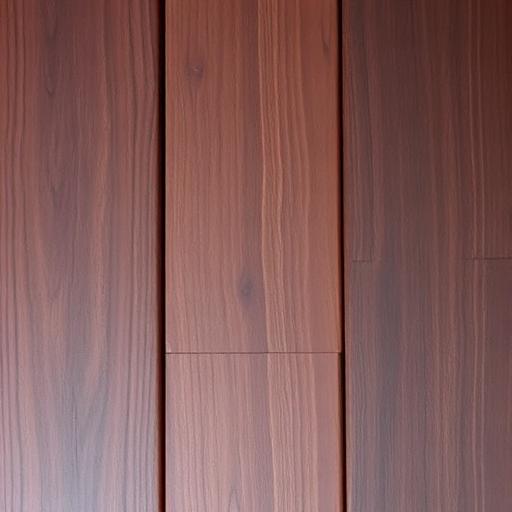
Tropical Hardwood material sample

Tropical Hardwood

Dense tropical species such as ipe — rich colour, exceptional hardness and a very long service life.

Cost
Very High
Upkeep
Medium
Durability
Excellent

Pros

  • Premium appearance with deep colour and distinctive grain
  • Extremely dense and resistant to everyday wear
  • Very long service life with the right design and care
  • Real wood, far harder than common softwoods

Cons

  • Among the most expensive decking materials
  • Hard to cut and drill — special blades, fasteners and techniques required
  • Needs oiling to keep its colour, or it weathers grey
  • Sourcing matters — look for credible responsible-forestry certification

Best for — High-end projects where natural beauty, density and longevity outweigh budget.

Deck material comparison
MaterialInitial costMaintenancePrivacyDurabilityBest for
Pressure-Treated WoodLowHighGoodHomeowners who want the most deck for the budget and don't mind periodic maintenance.
CedarMedium–HighMedium–HighGoodHomeowners who want genuine natural beauty and are comfortable maintaining real wood.
CompositeHighLowVery GoodHomeowners who want low maintenance, a consistent look and long-term durability, and can spend more up front.
PVCHighVery LowExcellentWet, shaded or poolside decks where moisture resistance and near-zero maintenance matter most.
Tropical HardwoodVery HighMediumExcellentHigh-end projects where natural beauty, density and longevity outweigh budget.

How to figure out which one is right for you

01

Start with budget — over the whole life, not just day one

Compare material + installation + maintenance + repairs + expected lifespan. Pressure-treated is cheapest on install day; composite avoids years of staining. The cheapest board isn't always the cheapest deck.

02

Be honest about maintenance

Real wood looks incredible new, but keeping it that way means cleaning, refinishing, checking fasteners and swapping boards. Composite, PVC, vinyl and aluminum reduce that work — low maintenance still isn't zero maintenance.

03

Decide how much privacy you need

Wood, vinyl and composite panels give full privacy. Aluminum and chain-link keep sightlines open. Choose the boundary before you choose the material.

04

Respect the Ottawa climate

Rain, snow and freeze-thaw cycles hit every outdoor structure here. Decks need drainage and ventilation so water never sits against framing. Fences need posts set below frost line — wind loads on a tall privacy fence are significant.

05

The structure matters more than the surface

A premium panel on weak posts still fails, and expensive deck boards over poor framing never feel right. Spend on footings, framing and fasteners first.

06

Match the material to how long you'll stay

Selling in a few years? Upfront cost and curb appeal matter most. Staying for decades? Lower maintenance and longer lifespan usually win.

Still torn between materials?

There's no single best material — the right pick balances budget, appearance, upkeep, privacy and how long you plan to stay. Send the project details and a contractor will price two or three options side by side.

Deck Railing Installation & Replacement FAQ

Common questions about deck railing installation & replacement in the Ottawa area.

Straight answers before you request a quote. Anything else — send a message and a vetted local contractor will follow up.

Browse all FAQs →

Backyard deck at golden hour in the Ottawa area
Free · No obligation

Ready for deck railing installation & replacement?

Share the details about the project — a vetted local contractor will line up a clear plan and pricing within 48 hours.

Questions about deck railing installation & replacement? Reach out directly.

Mon–Fri 8–6 · Sat/Sun by appt.
Mon
8–6
Tue
8–6
Wed
8–6
Thu
8–6
Fri
8–6
Sat
Appt.
Sun
Appt.